Get the latest AI, data, and technology insights from Matatika’s experts direct to your inbox.
-
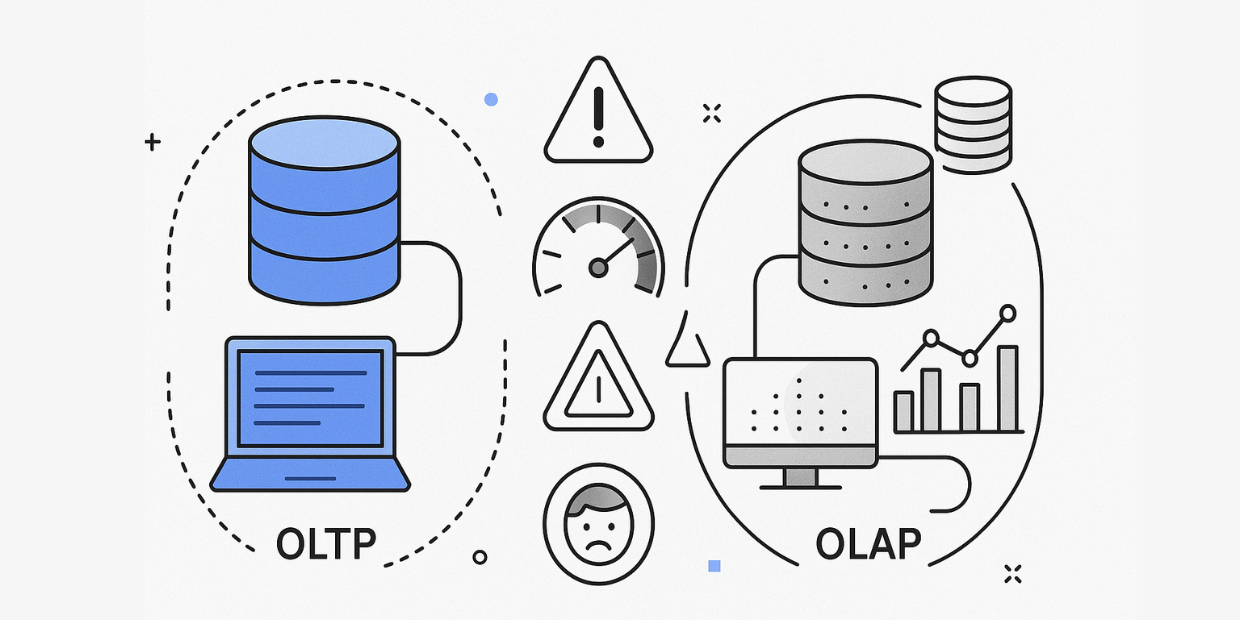
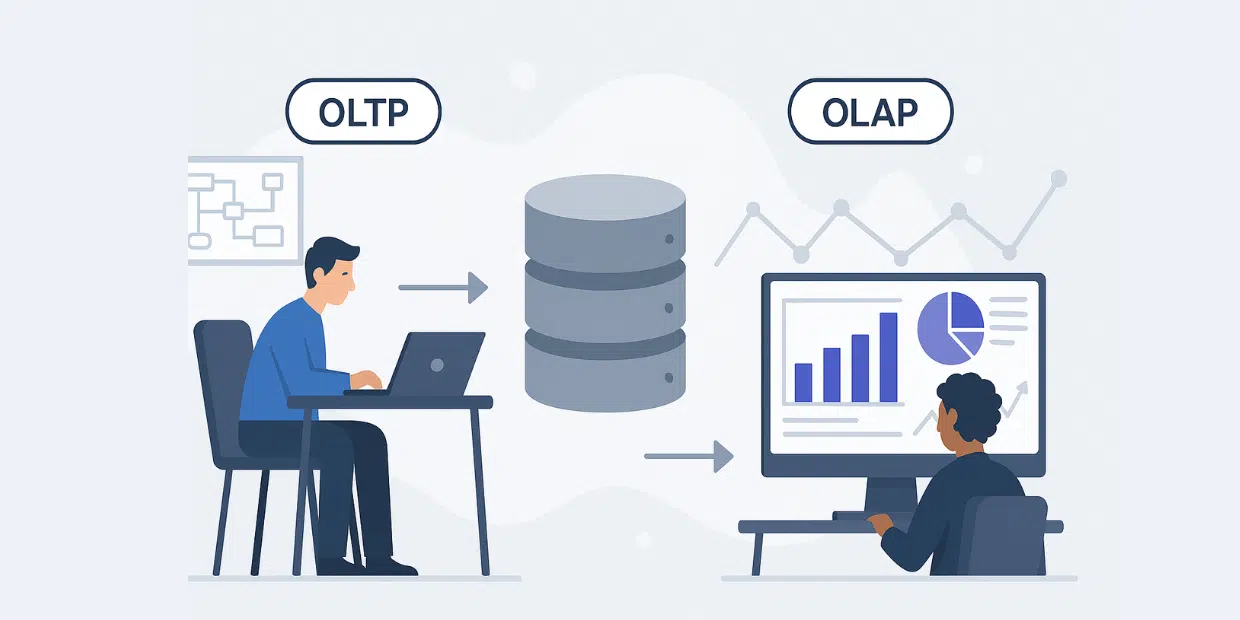
How OLTP and OLAP Databases Differ and Why It Matters for Your Data Architecture
Most data teams misuse OLTP and OLAP systems by forcing mismatched workloads, leading to bottlenecks, high costs, and missed opportunities. Smart teams separate environments, optimise data flow with incremental syncing, and use safe migration tools like Mirror Mode to achieve both transactional efficiency and analytical power without disruption.
Read the article -
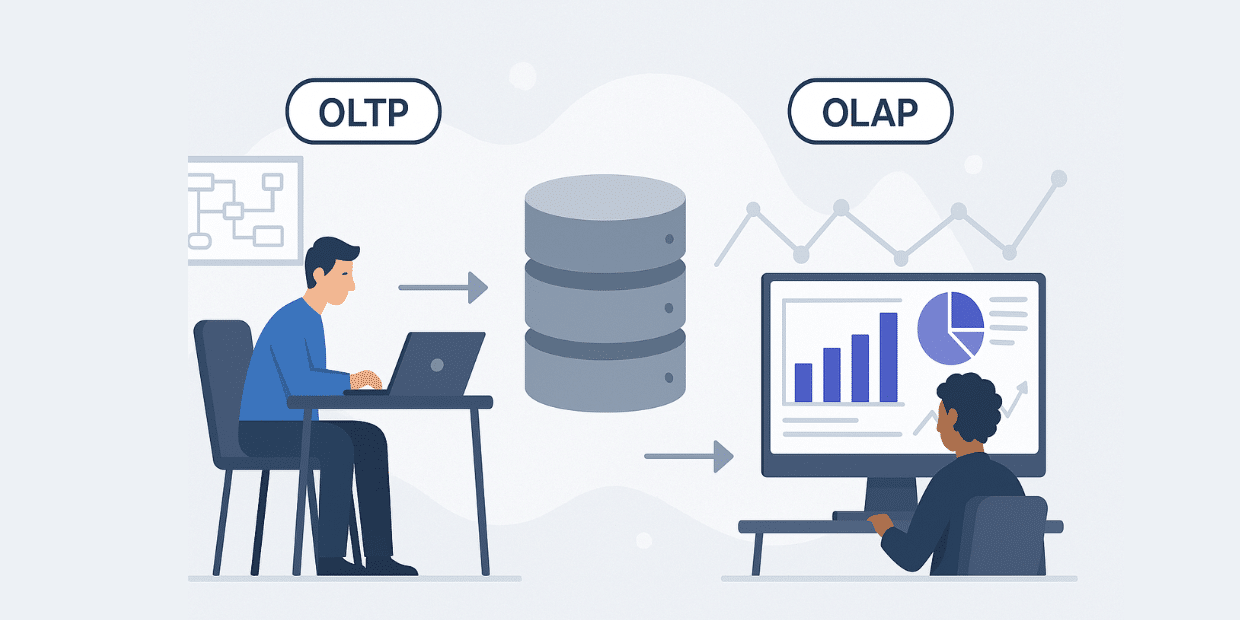
How to Optimise OLAP and OLTP Systems for Better Performance
Most data teams struggle because inefficient architectures force them to choose between fast transactions (OLTP) and powerful analytics (OLAP), creating delays, high costs, and frustrated users. Smart teams separate systems by purpose, use efficient syncing like Change Data Capture, and adopt performance-based pricing to achieve real-time insights, cost savings, and scalable architectures without disruption.
Read the article -
The FinOps Skills Every Data Engineer Needs in 2025
In 2025, data engineers are expected not only to deliver robust pipelines but also to integrate FinOps principles, ensuring systems scale economically as well as technically. Those who master cost attribution, pricing model evaluation, and cost-conscious architecture design are becoming business-critical, as financial awareness now defines engineering success.
Read the article -
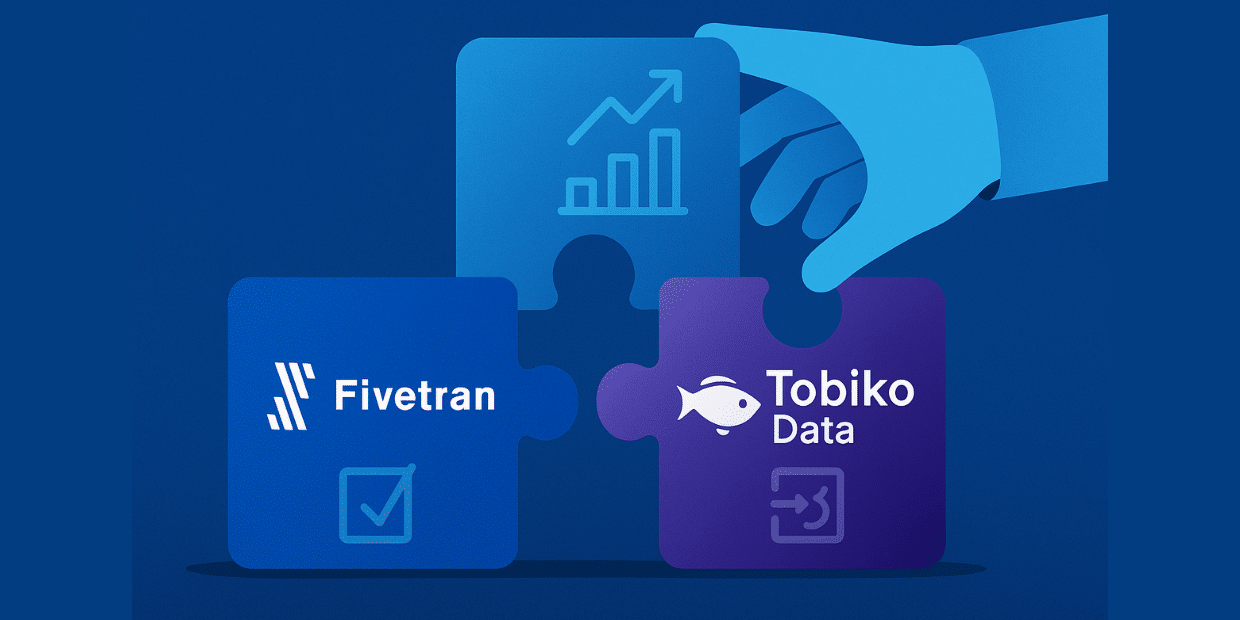
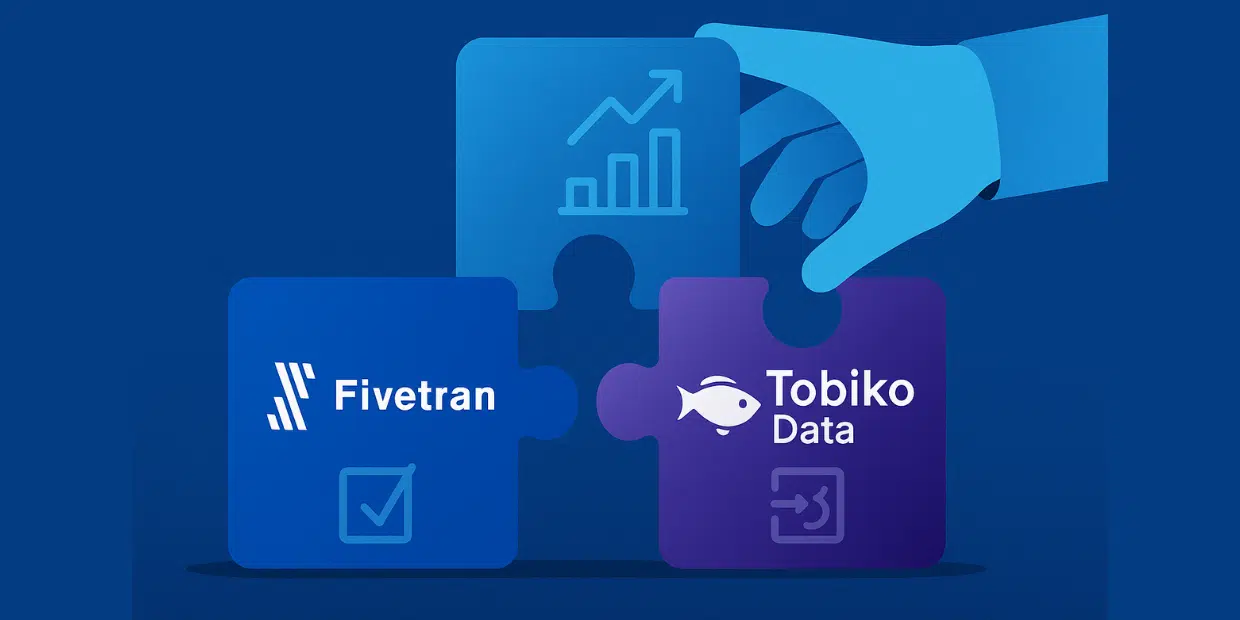
Why Fivetran’s Tobiko Data Acquisition Signals Trouble for Data Teams
Fivetran’s acquisition of Tobiko Data signals a shift from open source innovation to commercial consolidation, creating what many see as a “platform prison” where Extract, Load, and Transform are locked into one vendor ecosystem. While this promises simplicity, the true cost emerges over time through rising fees, reduced flexibility, and strategic dependencies that make switching prohibitively expensive.
Read the article -
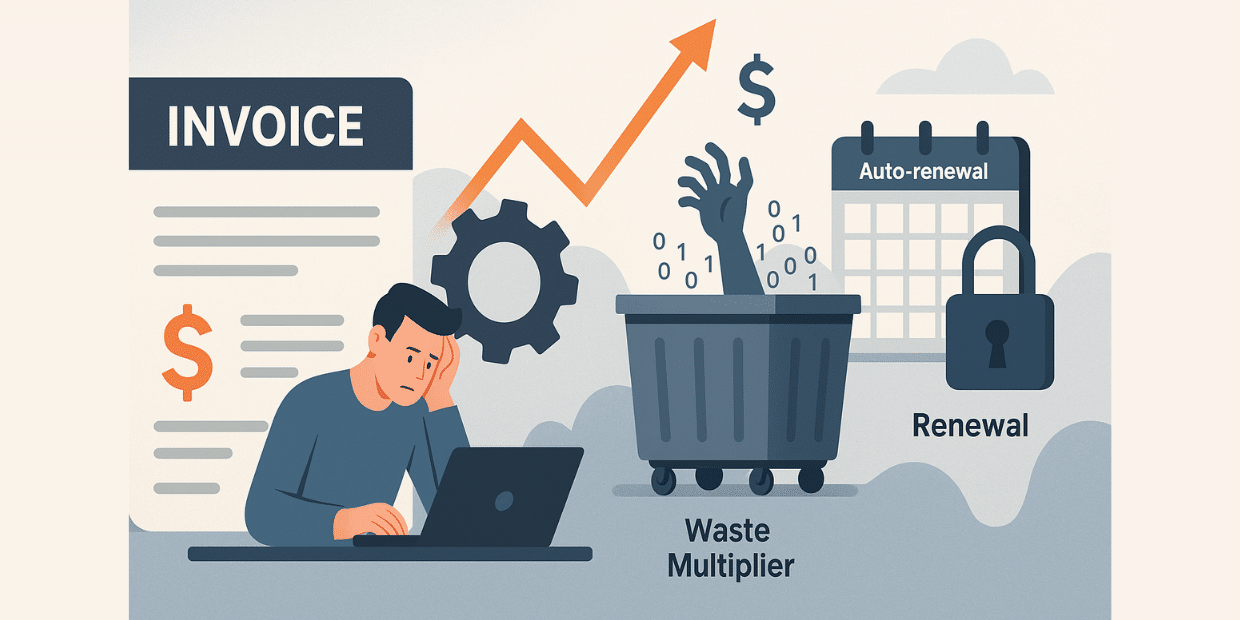
How to Escape Your ETL Vendor Without Risk or Disruption
Most data teams stay locked into overpriced ETL contracts, overlooking hidden costs like wasted engineering hours, volume-based penalties, inefficiency, and auto-renewal traps. Matatika’s Mirror Mode eliminates migration risk by running old and new systems in parallel, proving savings before switching, and offering performance-based pricing that cuts ETL costs by 30–60%.
Read the article

Data Leaders Digest
Stay up to date with the latest news and insights for data leaders.